
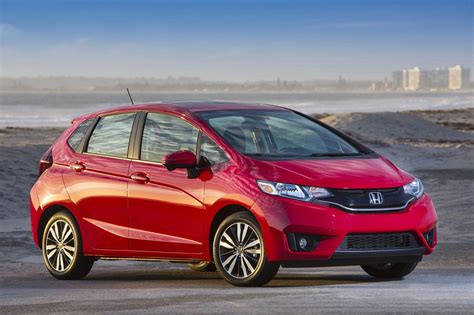
Is the Honda Fit good for tall people? It can be. The 2020 U.S. Honda Fit has 41.4 inches of front legroom and 39.5 inches of front headroom, and its tall roof makes the cabin feel larger than the car’s exterior suggests. However, height alone cannot predict comfort; leg-to-torso proportions, seat position, steering reach and knee clearance matter more than a universal height cutoff.
Honda Fit Space for Tall Drivers: Quick Answer
| 2020 U.S. measurement | Figure |
|---|---|
| Front legroom | 41.4 inches |
| Front headroom | 39.5 inches |
| Rear legroom | 39.3 inches |
| Rear headroom | 37.5 inches |
| Driver-seat height adjustment | Available |
These figures describe the final U.S. model year. Earlier generations and overseas Fit/Jazz versions may differ.
Why Some Tall Drivers Fit Well
- The roofline is upright rather than coupe-like.
- The windshield and side glass create an open sightline.
- The driver’s seat can move rearward and adjust for height.
- The 41.4-inch published legroom is useful for a subcompact.
- The narrow center console leaves reasonable knee space.
Why Other Tall Drivers May Not
- Long-legged drivers may run out of seat travel or steering-wheel reach.
- Long-torso drivers may need more head clearance than the published figure provides.
- The seat cushion may provide limited thigh support for some body proportions.
- A fully rearward driver’s seat reduces space for the passenger behind.
- Getting in and out can feel low compared with a crossover even when seated headroom is adequate.
What Height Is Too Tall for a Honda Fit?
There is no reliable single cutoff such as 6 feet or 6 feet 4 inches. Two drivers of the same height can fit very differently. A person with long legs may need more seat travel, while a person with a long torso may need more headroom. The only defensible answer is to test the exact generation and trim.
Seven-Point Tall-Driver Test
- Set the seat so the brake pedal can be fully pressed with a slightly bent knee.
- Keep the seatback reasonably upright rather than reclining excessively for headroom.
- Confirm several fingers of clearance between hair/head and the roof or headliner.
- Check that knees do not contact the steering column or dashboard.
- Hold the steering wheel with slightly bent elbows and shoulders against the seat.
- Verify a clear view of instruments, mirrors, traffic lights and the road.
- Sit behind the adjusted driver’s seat to evaluate the real passenger trade-off.
Is the Back Seat Good for Tall Passengers?
The published 39.3 inches of rear legroom is generous for a small hatchback, but 37.5 inches of rear headroom and limited shoulder width can be the bigger constraints. A tall rear passenger may fit behind a shorter front occupant yet feel cramped behind a tall driver. Three adults across the rear bench will also reduce comfort.
Does Body Weight or Frame Change Engine Performance?
A driver’s height does not make the engine “underpowered.” Vehicle performance is affected by total occupant and cargo load, road grade, altitude, temperature and powertrain condition. The previous article incorrectly linked a taller or larger driver to engine adequacy. The correct check is whether the combined load stays within the door-label limit and whether performance meets the buyer’s expectations during a real test drive.
Honda Fit vs. a Small Crossover for Tall Drivers
A crossover may provide easier entry, a higher hip point and more shoulder room, while the Fit can offer a surprisingly open cabin with lower operating costs and easier parking. Published legroom alone does not capture entry height, seat-cushion length or steering-wheel adjustment. Compare the Fit directly with alternatives using the same driving-position test.
Driver room and exterior footprint are different questions. For garage and parking measurements, see Honda Fit exterior size and parking fit.
Related Guides
How We Evaluated Driver Fit
AutoZonic used Honda’s official 2020 Fit measurements and standard safe-seating principles. We removed invented adjustment ranges, contradictory fuel-economy figures, price claims and blanket comfort promises from the legacy page. Reviewed by the AutoZonic Editorial Team on August 2, 2026.
Frequently Asked Questions
Can a six-foot driver fit in a Honda Fit?
Many can, but proportions and preferred seating position matter. Test the exact car rather than relying on height alone.
Does the Honda Fit have enough headroom for tall people?
The 2020 U.S. model lists 39.5 inches in front. Whether that is enough depends on torso length, hairstyle, seat height and posture.
Can a tall person sit in the rear?
Often, especially behind a shorter front passenger, but rear headroom and the front seat’s position may limit comfort.
Should a tall driver recline the seat to fit?
Not excessively. The driver should remain upright enough for proper control, visibility, head-restraint alignment and belt fit.
Related Guides
Is a Honda Pilot Considered a Standard SUV? Why Classifications Differ
How to Improve Honda Fit Fuel Economy: 15 Safe Steps
Why Was the Honda Fit Discontinued in the U.S.?
How Long Does a Honda Fit Last? Mileage and Lifespan Guide