
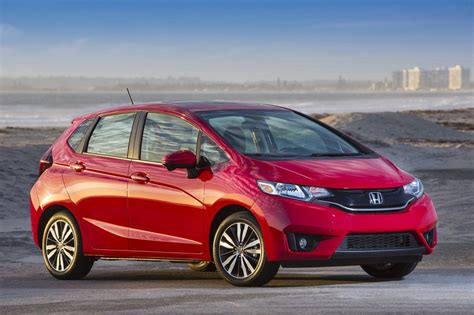
Is the Honda Fit good for short drivers? It can be. The 2020 U.S. Fit combines a height-adjustable driver’s seat, upright windshield, large glass area and compact exterior. Those features can help a shorter driver see and reach controls, but the correct test is whether the driver can fully operate the pedals while maintaining safe distance from the steering-wheel airbag and proper seat-belt positioning.
Honda Fit for Short Drivers: Quick Assessment
| Factor | What to check |
|---|---|
| Seat height | Raise the driver’s seat without placing the head too close to the roof |
| Pedal reach | Press the brake fully with a slightly bent knee |
| Steering reach | Keep shoulders against the seat and elbows slightly bent |
| Airbag distance | Avoid sitting unnecessarily close to the steering wheel |
| Forward visibility | See the road and instruments without stretching upward |
| Belt fit | Shoulder belt crosses the chest, not the neck or arm |
Why the Fit May Work Well
- The upright cabin can provide a clear view over the dashboard.
- The compact body makes parking and judging the corners easier.
- A height-adjustable driver’s seat is available in the 2020 model.
- The side glass and relatively slim body improve outward awareness.
- Controls are grouped within a small cabin rather than spread across a wide dashboard.
What Could Be a Problem?
- A driver may move too close to the steering wheel to reach the pedals.
- Raising the seat can change head clearance and the angle of the belt.
- A long seat cushion may press behind the knees of a very short driver.
- The steering-wheel adjustment range varies by model year and trim.
- Adding an unsecured cushion can affect stability, belt fit and airbag positioning.
Safe Seating Position for a Short Driver
- Sit fully back against the seatback.
- Adjust the seat forward until the brake can be pressed firmly without locking the knee.
- Raise the seat only enough to obtain a clear forward view.
- Adjust the seatback so the shoulders remain supported.
- Position the steering wheel toward the chest rather than the face, without blocking the gauges.
- Check that the lap belt lies low across the hips and the shoulder belt crosses the center of the chest.
- Confirm mirrors can be set without leaning.
Drivers who still cannot reach the pedals and controls while maintaining a safe position should ask a qualified mobility-equipment specialist about approved pedal extensions or other adaptive equipment. Improvised blocks or loose cushions are not a safe substitute.
Does the Fit Sit Low?
The Fit is a small hatchback rather than a crossover, so its hip point and step-in height are lower than an HR-V or CR-V. A lower vehicle is not automatically easier for a short person to enter; knee, hip and mobility needs vary. Some drivers prefer the Fit’s modest step-over, while others find a slightly higher crossover seat easier.
How Much Legroom Is Available?
The 2020 U.S. Fit lists 41.4 inches of front legroom. That number measures the cabin’s adjustment range; it does not mean a shorter driver should use the seat at its maximum rearward position. For the complete measurements, see our Honda Fit legroom guide.
Can a Short Driver See the Hood?
Many modern cars, including the Fit, do not show the entire hood from a normal driving position. The goal is a clear view of the road and reference points—not necessarily seeing the front edge of the car. A proper mirror setup and parking practice are more important than raising the seat until the hood is visible.
Used Honda Fit Test-Drive Checklist
- Test the full driver-seat height and fore-aft range.
- Check steering-wheel tilt/telescope operation for that trim.
- Wear the shoes normally used for driving.
- Try emergency-style full brake application while parked.
- Check visibility at intersections and traffic lights.
- Reverse and park to assess rearward visibility and camera usefulness.
- Drive for at least 20–30 minutes to identify thigh, back or shoulder strain.
Incorrect Claims Removed From the Old Page
The previous article described a low seating position as automatically ideal, mixed front and rear legroom, generalized Honda Sensing equipment across trims, and made universal safety and comfort claims. It also included outdated new-car pricing and externally hotlinked images. The revised article focuses on the actual ergonomic decision.
Related Guides
How We Evaluated Driver Fit
AutoZonic reviewed Honda’s 2020 Fit specifications and used standard safe-driving-position principles rather than assuming that all drivers of one height have the same proportions. Reviewed by the AutoZonic Editorial Team on August 2, 2026.
Frequently Asked Questions
Can a five-foot driver drive a Honda Fit?
Many can, but no height alone guarantees a safe fit. The driver must reach the pedals while maintaining proper steering-wheel distance, visibility and belt position.
Does the Honda Fit driver’s seat raise up?
The 2020 U.S. Fit includes driver-seat height adjustment. Equipment should be verified on earlier years and overseas models.
Are pedal extenders safe?
Purpose-built adaptive equipment should be selected and installed by a qualified specialist. Improvised extensions can interfere with pedal control.
Is a Fit easier to drive than an SUV for a short person?
It may be easier to maneuver, but an SUV may offer a higher eye point. Compare both using the same safe-position test.
Related Guides
Is a Honda Pilot Considered a Standard SUV? Why Classifications Differ
How to Improve Honda Fit Fuel Economy: 15 Safe Steps
Why Was the Honda Fit Discontinued in the U.S.?
How Long Does a Honda Fit Last? Mileage and Lifespan Guide