
Honda Fit common problems depend heavily on the model year and the condition of the individual car. There is no single defect that defines every Fit. Older 2007-2013 cars need careful checks for corrosion, water intrusion, age-related suspension and A/C wear, plus recall completion. The 2015-2020 generation adds direct injection and a CVT on automatic cars, so drivability, transmission service history and later safety campaigns deserve more attention.
If you are buying a used Fit, do not rely on a generic “worst years” list. Start the car cold, scan it for fault codes, drive it until fully warm, inspect underneath, check the VIN for open recalls and then compare the findings with the asking price.
Honda Fit Problems at a Glance
| Area | Symptoms to watch for | Best pre-purchase check |
|---|---|---|
| Engine and ignition | Rough idle, misfire, hard starting, warning light | Cold start, scan for stored codes, road test under load |
| CVT or automatic transmission | Shudder, delayed engagement, surging, unusual noise | Check fluid/service history and test cold and fully warm |
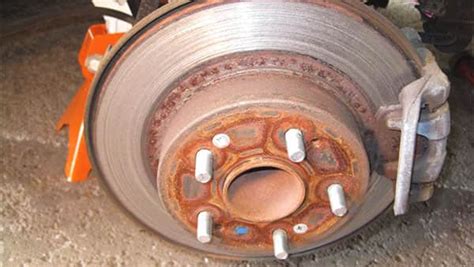
| Rust and water intrusion | Damp carpet, musty smell, bubbling paint, underbody corrosion | Lift mats, inspect cargo floor, seams, brake lines and suspension points |
| Suspension and wheel bearings | Clunks, humming with speed, uneven tire wear | Drive on rough pavement and at highway speed |
| A/C and electrical equipment | Weak cooling, intermittent accessories, battery or charging issues | Test every switch, light, camera, window and A/C mode |
| Safety recalls | Often no visible symptom | Run the exact VIN through Honda and NHTSA |
Honda Fit Problems by Generation and Model Year
| Years | Main areas to inspect | Important context |
|---|---|---|
| 2007-2008 | Rust, water leaks, A/C, wheel bearings, suspension, ignition and old recall work | Age is now the biggest risk. A mechanically healthy drivetrain does not make structural corrosion acceptable. |
| 2009-2013 | Ignition performance, mounts, suspension, wheel bearings, corrosion, leaks and A/C | These cars have a strong durability reputation, but many are old enough for several wear systems to need attention at once. |
| 2015 | CVT behavior and recall completion, misfire or rough-running symptoms, electronics, A/C and accident history | First year of the third U.S. generation. Certain 2015 Fits were included in NHTSA campaign 15V-574 for a CVT drive-pulley-shaft risk addressed by a software update. |
| 2016-2017 | CVT service history, drivability, warning lights, A/C, suspension and general condition | Still inspect rather than assuming a later year automatically fixes every third-generation concern. |
| 2018-2020 | CVT service history, electronics, rearview-camera operation, recall completion, direct-injection drivability | Some later Fits were covered by rearview-camera campaigns; 2019 Fits were also included in a fuel-pump campaign. Always confirm by VIN. |
2015 Honda Fit: Why It Deserves Extra Inspection
The 2015 model year was the first U.S. year of the third-generation Fit. That matters because first-year redesigns often combine new hardware, new calibration and new manufacturing processes. Public complaint data also give the 2015 Fit more warning signals than several nearby years, although complaint counts are not failure rates and should never be treated as proof that every 2015 car is bad.
One concrete issue was NHTSA campaign 15V-574. Certain 2015 Fits were recalled because CVT programming could expose the drive pulley shaft to high stress. Honda’s remedy was a CVT software update designed to reduce that stress. If you are considering a 2015 automatic Fit, check the VIN and verify recall completion rather than assuming it was done.
2019 Honda Fit Fuel-Pump Recall
Certain 2019 Honda Fits were included in NHTSA campaign 20V-314 for a low-pressure fuel pump that could fail and cause the engine to stall. This is a VIN-specific safety campaign, not a statement that every 2019 Fit has a bad fuel pump. The correct buying step is to check the actual VIN and confirm whether any required repair was completed.
2018-2020 Rearview-Camera Campaigns
Certain 2018-2020 Fits were included in NHTSA rearview-camera campaigns 23V-046 and the later 24V-384 remedy campaign. The issue can prevent the rearview-camera image from displaying when the vehicle is started. When inspecting a later Fit, test the camera several times and verify campaign status by VIN even if the display appears to work during one test drive.
Older Fits and Takata Air-Bag Recalls
NHTSA’s Takata recall information includes 2007-2013 Honda Fit model years. Because air-bag recall status is safety-critical and VIN-specific, do not accept “the previous owner probably did it” as proof. Check the VIN yourself and keep the completion record with the vehicle history.
Engine Misfires and Rough Running
A rough idle, hesitation under load, hard starting or a flashing check-engine light is not normal Fit behavior. Start the engine cold and let it idle with the A/C running. Then drive with light throttle, moderate acceleration and a highway merge. Repeated stumbling or a flashing warning light needs diagnosis before purchase.
On a 2015-2020 Fit, persistent misfire symptoms deserve a proper scan and mechanical evaluation. Direct injection adds another possible source of drivability issues at higher mileage, so do not assume every misfire is simply an ignition coil.
CVT and Automatic Transmission Problems
Earlier U.S. Fits use a conventional automatic transmission, while 2015-2020 automatic Fits use a CVT. A CVT is not automatically unreliable, but correct fluid and service history matter. During the test drive, check:
- engagement from Park to Drive and Reverse;
- smooth takeoff with light throttle;
- behavior during a highway merge;
- slow uphill acceleration;
- operation after the drivetrain is fully warm;
- any shudder, delayed engagement, surging or abnormal whine.
If the seller cannot document transmission service, price the car as if you may need baseline maintenance and further diagnosis.
Rust and Water Intrusion
Rust can be more important than mileage on a 15-year-old Fit. Inspect the underbody, suspension mounting areas, brake lines, pinch welds and lower seams. Cars from snow-belt and coastal regions deserve extra attention.
Inside, lift the floor mats and inspect the cargo floor and spare-tire area. Damp insulation, staining, a musty smell or corrosion around seams can point to old water intrusion. A dry surface on inspection day does not prove the car has always been dry.
Suspension, Wheel Bearings and Mounts
Use both rough pavement and highway speed during the road test. A dull clunk over bumps can point to worn suspension or mounting components. A hum that rises with road speed can suggest a wheel-bearing or tire issue. Uneven tire wear may reveal alignment problems, worn suspension or previous crash damage.
A/C, Battery and Electrical Checks
Confirm that the A/C cools at idle and while moving. Test every window, door lock, light, camera, display, horn and charging port. A weak battery or charging system can create misleading electrical symptoms, so battery condition is worth checking on a car with intermittent faults.
Which Honda Fit Years Should You Avoid?
We would not reject a Fit solely because of the year on the title. The 2015 model deserves extra scrutiny because it was the first third-generation year and had an important CVT recall. Very early Fits deserve extra rust and age inspection. Later Fits should still be checked for VIN-specific campaigns and proper CVT service.
A well-maintained car from a “problem year” can be a better purchase than a neglected car from a year with fewer complaints. Use the year to decide what to inspect, not to replace the inspection.
When to Walk Away
- Structural corrosion is present.
- The seller refuses to provide the VIN.
- Transmission symptoms are unexplained.
- A flashing check-engine light or repeated misfire is present.
- Major warning lights were recently cleared without repair records.
- The title or accident history does not match the physical car.
- The seller refuses an independent pre-purchase inspection.
Used Honda Fit Inspection Checklist
- Verify the VIN on the car, title and history report.
- Check Honda and NHTSA for open recalls.
- Start the engine completely cold.
- Scan for current, pending and recently cleared trouble codes.
- Test the transmission cold and fully warm.
- Drive on rough pavement and at highway speed.
- Inspect underbody rust, brake lines, suspension points and leaks.
- Lift carpets and inspect the cargo area for water intrusion.
- Test A/C, windows, locks, lights, camera and infotainment.
- Check tire age, wear pattern and alignment clues.
- Review maintenance invoices instead of relying only on a history-report summary.
- Get an independent pre-purchase inspection.
For the broader ownership picture, see our Honda Fit used-car guide, Honda Fit reliability guide and Honda Fit lifespan guide.
How We Researched Honda Fit Problems
AutoZonic separates documented safety campaigns from owner complaints and ordinary age-related wear. Recalls prove that a defined safety defect affected a specific campaign population, but they do not mean every vehicle of that model year is currently defective. Complaint counts are useful for finding patterns, but they are not failure rates because vehicle age, sales volume and reporting behavior differ by year.
- NHTSA: VIN recall lookup
- NHTSA: 2015 Fit CVT recall report, 15V-574
- NHTSA: 2019 Fit fuel-pump recall acknowledgement, 20V-314
- NHTSA: Takata air-bag recall information
Frequently Asked Questions
What is the most common problem with a Honda Fit?
There is no single problem that accurately describes every Fit year. Age-related rust, suspension and A/C issues matter on older cars, while later cars add CVT service, direct-injection drivability and newer recall campaigns to the inspection list.
Is the 2015 Honda Fit a bad year?
It deserves extra inspection, not automatic rejection. It was the first year of the third U.S. generation and certain cars were included in NHTSA campaign 15V-574 involving the CVT drive pulley shaft.
Do Honda Fits have transmission problems?
Some cars do, but transmission type and condition vary by year. Test the exact car cold and warm, review service history and diagnose any shudder, delayed engagement or abnormal noise before buying.
Are Honda Fit recalls still important on a used car?
Yes. Recall status is VIN-specific and can change. Always check the actual VIN with Honda and NHTSA before purchase.
Related Guides
Is a Honda Pilot Considered a Standard SUV? Why Classifications Differ
How to Improve Honda Fit Fuel Economy: 15 Safe Steps
Why Was the Honda Fit Discontinued in the U.S.?
How Long Does a Honda Fit Last? Mileage and Lifespan Guide
2 thoughts on “Honda Fit Common Problems by Year: What to Check Before Buying”