
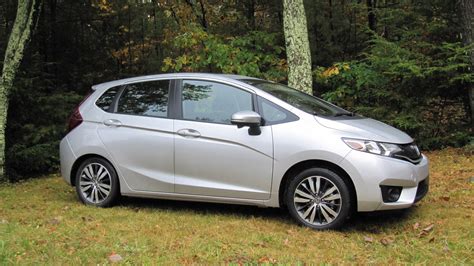
Does the Honda Fit need premium gas? No. U.S.-market Honda Fits are designed for regular unleaded gasoline. For a stock 2020 Fit, premium normally does not add enough power or fuel economy to justify its higher price.
Honda Fit Fuel Requirements
| Question | Answer |
|---|---|
| Normal U.S. fuel | Regular unleaded |
| Typical minimum octane | 87 AKI |
| Premium required? | No |
| Premium harmful? | Normally no, but unnecessary |
| Premium improves MPG? | No reliable economic benefit |
| Useful quality standard | Top Tier detergent gasoline |
Why Premium Usually Does Not Help
Octane measures resistance to abnormal combustion; it is not a measure of extra energy or detergent quality. The Fit’s engine is calibrated for regular gasoline, so adding 91 or 93 octane does not automatically create more power. A change noticed after switching stations may come from weather, traffic, seasonal fuel or detergent differences rather than octane.
Premium vs. Top Tier
Premium describes octane. Top Tier describes a detergent-performance standard and is available in regular fuel. A Top Tier regular gasoline can provide the cleaning standard Honda recommends without paying for unnecessary octane.
Can Premium Clean a Rough-Running Engine?
Not reliably. Misfires, poor MPG, knocking or a check-engine light require diagnosis. Possible causes include contaminated fuel, plugs, coils, injectors, overheating, sensors or internal engine problems. Premium can mask a symptom without fixing it.
What About Ethanol?
Follow the exact owner’s manual. Normal U.S. Fits are not flex-fuel vehicles. Honda guidance generally warns against blends above 15% ethanol in vehicles not designed for them and against methanol or MMT. Do not use E85 in a standard Fit.
When Could Higher Octane Be Appropriate?
- The exact imported model’s manual requires it.
- A qualified tuner has changed the engine calibration.
- Premium is the only compatible gasoline temporarily available.
A modified vehicle may have different fuel requirements and reliability, emissions or warranty implications.
Best Fuel Practices
- Use the fuel listed on the fuel door and in the owner’s manual.
- Choose a reputable, busy station and Top Tier fuel where practical.
- Stop after the pump automatically shuts off; do not repeatedly top off.
- Do not add unapproved octane boosters.
- Investigate sudden MPG loss, fuel odor, hard starting or warning lights.
Sources and Review
AutoZonic reviewed Honda’s 2020 Fit specifications and American Honda fuel guidance. The article distinguishes octane from detergent quality and removes unsupported claims that premium makes a regular-fuel Fit faster or more efficient. Reviewed August 2, 2026.
Frequently Asked Questions
Can I put 91 octane in a Honda Fit?
Yes, compatible premium normally will not harm it, but it is generally unnecessary.
Does premium make a Honda Fit faster?
Not in a meaningful or guaranteed way on a stock U.S. Fit.
Is Top Tier regular better than premium?
For detergent quality, Top Tier regular can be the more relevant choice because octane and detergent standards are different.
Related Guides
Is a Honda Pilot Considered a Standard SUV? Why Classifications Differ
How to Improve Honda Fit Fuel Economy: 15 Safe Steps
Why Was the Honda Fit Discontinued in the U.S.?
How Long Does a Honda Fit Last? Mileage and Lifespan Guide