How Do You Decode Chevy Engine Numbers?
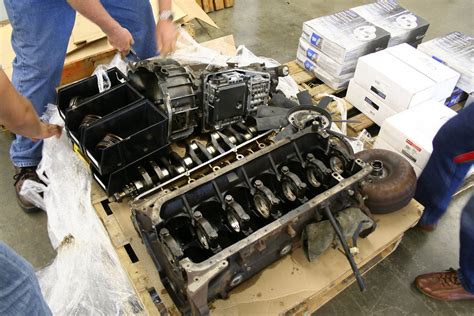
Decode Chevy engine pad stampings: prefix letters show the assembly plant, while the suffix reveals exact displacement, year, and original vehicle model.
Browse automotive research and engineering guides in Engine Valvetrain.

Decode Chevy engine pad stampings: prefix letters show the assembly plant, while the suffix reveals exact displacement, year, and original vehicle model.

Toyota engine numbers are stamped on the engine block near the transmission bellhousing, and on the driver door jamb VIN tag. Locate your engine bay stamp.

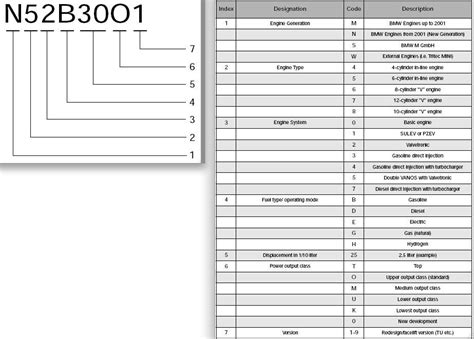
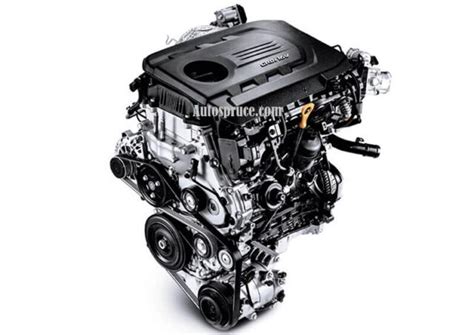
Engine codes reveal cylinder layout, displacement, and valvetrain tech (like DOHC or Turbo). Learn how to decode automaker engine stamps, tags, and badges.

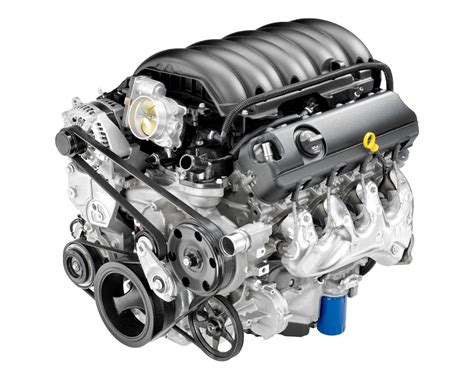
A GM 5.3L V8 typically lasts 200,000 to 300,000 miles with regular oil changes. Learn how to prevent AFM lifter failure and maintain long-term reliability.

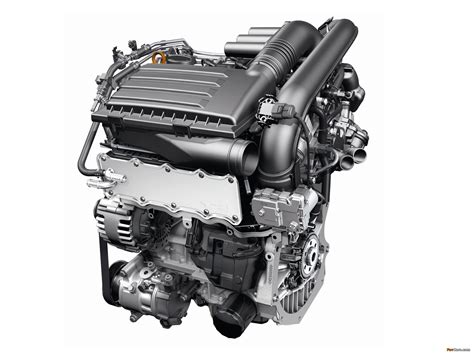
The 1.0 TSI turbo engine (95–115 hp) is the best VW Polo engine, offering punchy torque and 55+ mpg. Compare 1.0 TSI, diesel TDI, and 2.0 GTI models.

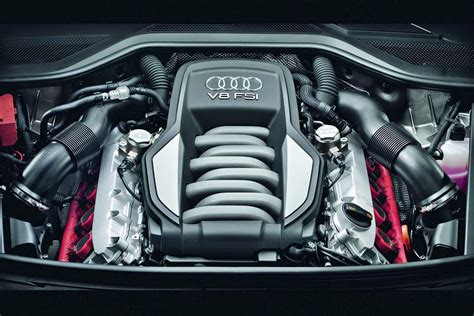
Audi used supercharged 3.0 TFSI V6 engines in 2009–2018 S4, S5, A6, A7, and SQ5 models, despite the turbo 'T' badge. Compare supercharged vs turbo specs.

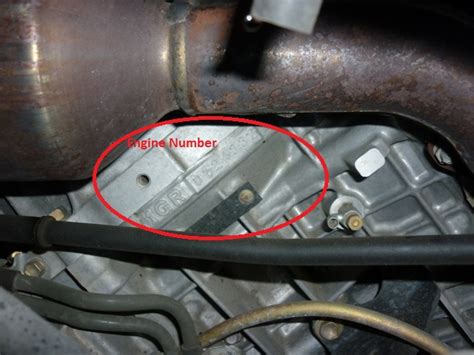
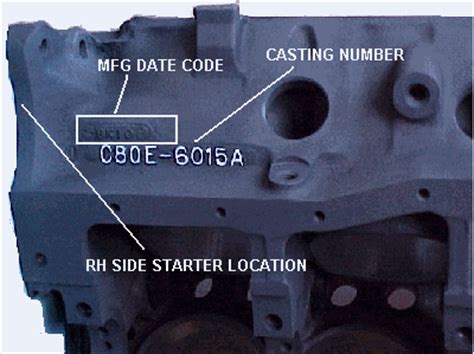
Numbers stamped on an engine block reveal displacement, build plant, assembly date, and engine family. Learn how to locate and decode engine block stamps.

Ford’s 6.2L Boss V8 is remarkably reliable, often reaching 300,000 miles in Super Duty trucks. Compare horsepower, towing limits, and common repair issues.

The 2.5L Duratec 4-cylinder is the most reliable Ford Fusion engine, while the 2.0L EcoBoost offers punchy 245-hp power. Compare reliability by model year.

Volkswagen’s EA888 2.0L Turbo is a proven, punchy engine, though early versions suffer water pump leaks and carbon buildup. Compare Gen 3 vs Gen 4 fixes.

Hyundai 2011–2019 models with Theta II 2.4L and 2.0L engines faced major recalls for rod bearing failure and engine fires. Check your VIN recall warranty.

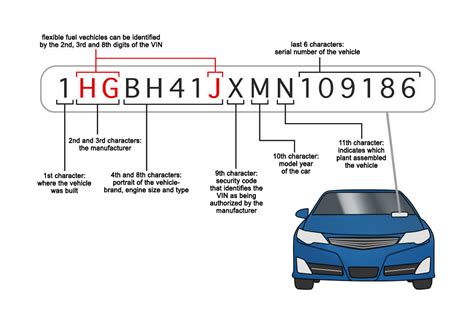
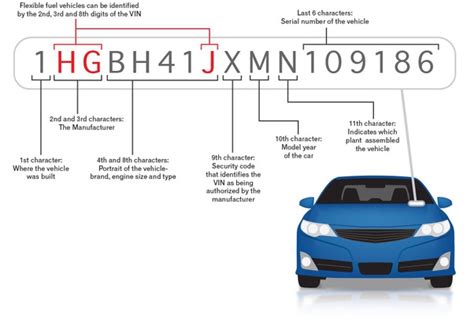
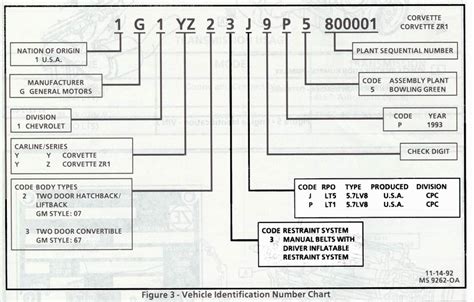
The 8th character of a 17-digit VIN code designates the engine size, cylinder layout, and fuel type. Learn how to decode manufacturer engine VIN characters.

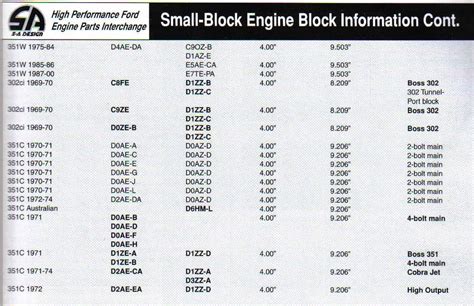
Decode Ford engine block casting numbers: the 1st digit is the decade, 2nd is the year, and 3rd/4th show car line and engineering group. See code charts.

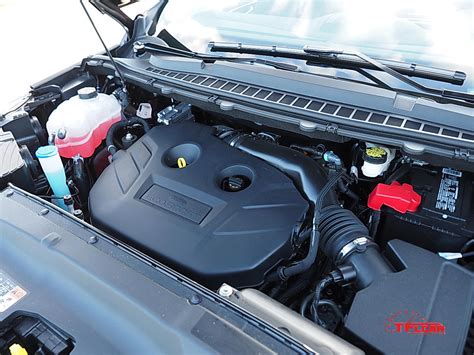
The 2.0L EcoBoost offers the best daily balance of 250 hp and 28 mpg, while the 2.7L twin-turbo V6 in the Edge ST delivers 335 hp. Compare engine options.

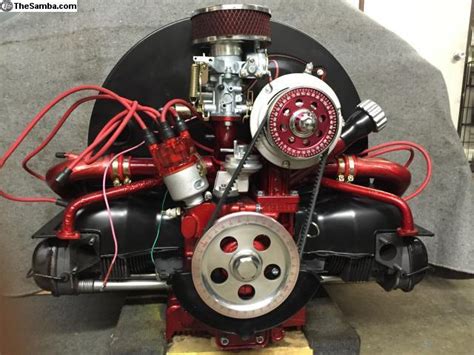
A 1600cc Volkswagen engine does not have one horsepower rating. Classic Beetle engines were around 46–50 PS, while later 1.6 TDI engines ranged much higher.

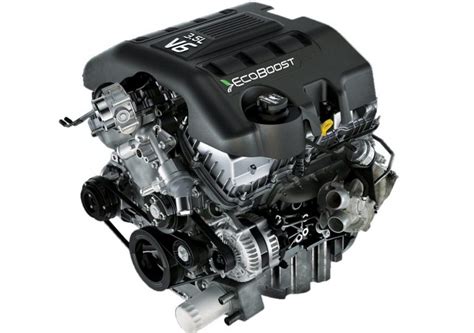
A new Ford 3.5L EcoBoost crate engine costs $7,000–$10,000, reaching $10,000–$14,000 installed. Compare crate engine prices, warranty, and labor costs.

No, GM is not dropping the 5.3L V8; it remains a core truck engine, with GM investing M into next-gen small-block V8s. Explore future GM engine plans.

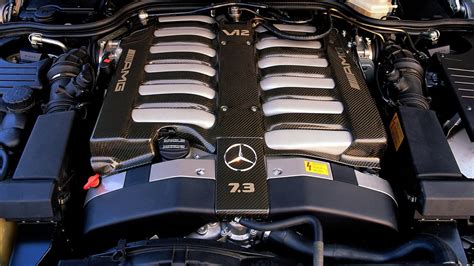
Classic Mercedes V12s powered the 1990s W140 S600, R129 SL600, and W220 S600 with legendary M120 and M275 engines. Explore vintage V12 specs and history.

The belt-driven EA211 VW 1.4 TSI is reliable and efficient, resolving the timing chain issues of early EA111 engines. Check common faults and buyer tips.

Decode engine block casting numbers to reveal manufacturer, cylinder displacement, casting date, and foundry code. See step-by-step lookup tables.

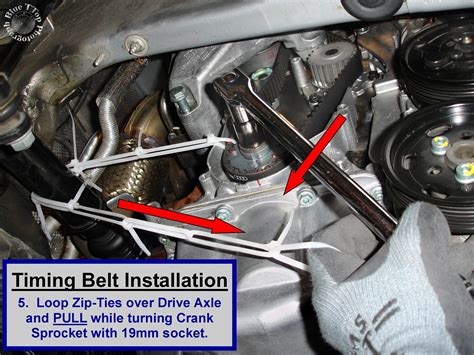
Mk1 1.8T and early 2.0 TFSI Audi TTs use timing belts, while 3.2 VR6 and newer 2.0 TSI models have timing chains. Check your engine code and intervals.

The Porsche Macan (2.0T and 2.9L V6), Cayenne (3.0L V6), and vintage 924 share Audi-engineered engine blocks. Explore shared platform details and specs.

The GM 5.3L V8 gets better fuel economy (16/22 MPG) than the 420-hp 6.2L V8 (14/19 MPG), which also requires premium gas. Compare towing and fuel costs.

The Ford 6.2L Boss V8 in Super Duty F-250 trucks averages 11 to 14 MPG highway and 9 to 11 MPG when towing heavy loads. Review real-world owner MPG data.