
How Much Horsepower Does a 1600cc VW Engine Have? It Depends
Automotive Research, ASE Master Technicians & Fact-Checking
Direct Technical Summary
A 1600cc Volkswagen engine does not have one horsepower rating. Classic Beetle engines were around 46–50 PS, while later 1.6 TDI engines ranged much higher.
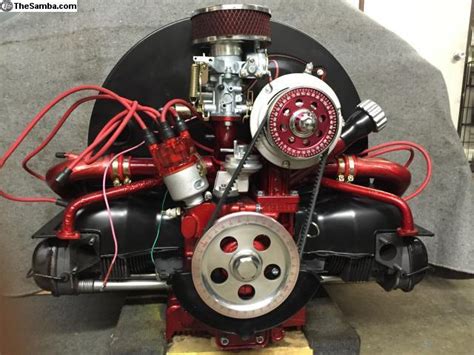
Quick answer: A “1600cc VW engine” does not have one horsepower figure. Volkswagen has used 1.6-liter engines in air-cooled Beetles, Type 3 models and much newer gasoline and diesel cars. A stock classic Beetle 1600 was commonly rated around 46–50 PS in Volkswagen's historical specifications, while later 1.6 TDI engines were offered in factory versions from roughly 75 to 110 PS. The engine code and model year are required for an exact answer.
Key takeaways
- Displacement alone cannot identify horsepower.
- A classic air-cooled Beetle 1600 is not the same engine as a modern 1.6 MPI or 1.6 TDI.
- Volkswagen's European archive often reports metric horsepower (PS), not U.S. mechanical horsepower.
- Engine code, fuel type, model year and market matter more than the “1600cc” label.
- Modified classic engines cannot be identified reliably from displacement alone.
Factory examples from Volkswagen
| Volkswagen application | Engine | Factory output | What that means |
|---|---|---|---|
| Classic Beetle 1600/1600i | 1,584cc air-cooled boxer | 46 PS at 4,000 rpm | About 45 hp; Volkswagen lists 98 Nm of torque. |
| Beetle 1302 S | 1.6-liter air-cooled boxer | 50 PS | About 49 hp in the European factory rating. |
| 2009 Polo 1.6 TDI | 1,598cc turbo-diesel | 75, 90 or 105 PS | Different calibrations of the same basic displacement. |
| 2012-era Golf 1.6 TDI | 1,598cc turbo-diesel | 105 or 110 PS | Output depends on the specific version and market. |
| 2011-era Beetle 1.6 TDI | 1,598cc turbo-diesel | 105 PS | A modern water-cooled engine unrelated to the classic boxer. |
If you mean the classic VW Beetle 1600
For a stock classic Beetle, a useful starting answer is approximately 46–50 PS, depending on the version and year. Volkswagen's archive lists the later 1,584cc Beetle 1600/1600i at 34 kW or 46 PS, with 98 Nm of torque. Volkswagen also documents 50-PS versions in models such as the Beetle 1302 S.
U.S. brochures and enthusiast discussions may show different-looking figures because older specifications were published under different test standards, including SAE gross and SAE net. That is another reason not to compare a vintage brochure number directly with a modern chassis-dyno result.
If you mean a modern 1.6-liter Volkswagen
Modern VW 1.6 engines cover several unrelated engine families. Volkswagen documented 2009 Polo 1.6 TDI versions at 75, 90 and 105 PS. Later examples include 80- and 95-PS Polo 1.6 TDIs and 105- or 110-PS Golf versions. A 1.6 gasoline MPI, a 1.6 TDI diesel and a classic air-cooled 1600 should never be treated as interchangeable.
Why the old single-number answer was misleading
Horsepower depends on much more than displacement:
- air-cooled versus water-cooled design;
- gasoline versus diesel fuel;
- carburetor, mechanical injection or electronic injection;
- naturally aspirated versus turbocharged induction;
- cylinder head, compression ratio and camshaft;
- emissions calibration and market;
- factory condition versus aftermarket modifications.
How to identify your exact VW engine
- Record the vehicle model, model year and market.
- Find the engine code on the vehicle data sticker, service record or engine stamping.
- Confirm whether the engine is gasoline or diesel and whether it is turbocharged.
- Compare the code with the correct Volkswagen technical data for that model year.
- For a modified classic engine, use a chassis dyno if you need actual current output.
A used replacement engine may not match the car's original specification, so the VIN alone is not always enough. Check the physical engine code before ordering parts or quoting horsepower.
PS, hp and kW are not identical
Volkswagen's European documents commonly use PS and kilowatts. One metric horsepower (PS) is about 0.986 mechanical horsepower. The difference is small, but it matters when comparing historical specifications. For example, 46 PS is approximately 45 hp, while 105 PS is approximately 104 hp.
How we evaluated this engine family
We used Volkswagen's own historical and technical pages to separate the classic 1,584cc boxer from later 1,598cc TDI engines. The page does not estimate horsepower from displacement because that method produced contradictory and inaccurate answers.
Sources
Researching this vehicle or comparing used inventory?
Always cross-reference factory service bulletins, verify warranty coverage, and compare dealer financing rates or insurance quotes before purchasing.
Reader Feedback
Was this technical guide helpful?
Your verification vote informs our ongoing automotive research schedule.