
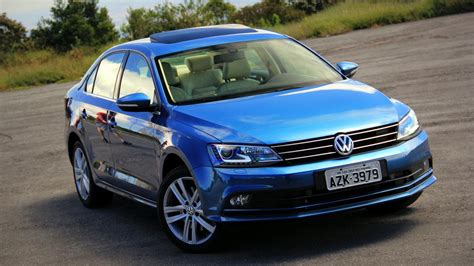
TSI stands for Turbocharged Stratified Injection. On a Volkswagen, it is the name used for gasoline engines that combine turbocharging with direct fuel injection.
On the current U.S.-market Jetta, that means a 1.5-liter TSI turbocharged four-cylinder. The Jetta GLI uses a larger 2.0-liter TSI engine.
What the TSI badge tells you
The turbocharger helps the engine move more air, while direct injection delivers fuel into the combustion chamber. Volkswagen uses the combination to get useful torque and power from relatively small-displacement gasoline engines without making every model rely on a large engine.
The badge does not tell you the exact displacement, output or transmission by itself. Those details change by generation, model year, market and trim.
TSI vs TDI
TSI is Volkswagen’s gasoline-engine designation. TDI is used for diesel engines. Both names have been associated with turbocharging and direct injection, but they refer to different fuels and combustion systems.
Does TSI mean premium fuel?
Not automatically. The required octane depends on the exact engine and model year. Check the fuel label near the filler door and the owner’s manual rather than assuming every TSI needs the same gasoline.
Does TSI tell you anything about reliability?
Only in a very broad sense. TSI describes engine technology, not a reliability grade. Different TSI engine families have different service histories, so a used-car buyer is better served by identifying the exact engine, model year and maintenance record.
Related: Jetta trunk size, VW 4MOTION vs AWD, and adding Apple CarPlay to a Volkswagen.
Sources
- Volkswagen Newsroom — TSI technology
- Volkswagen — current Jetta specifications
- Volkswagen — current Jetta GLI specifications
Related Guides
How Big Is a Volkswagen Jetta Trunk? Cargo Space Explained
Does Jetta Eco Mode Save Gas? What It Actually Changes
What Is the Volkswagen Jetta R-Line? The Seventh-Generation Trim Explained