
Does 4 Wheel Drive Help On Black Ice?
Automotive Research, ASE Master Technicians & Fact-Checking
Direct Technical Summary
4WD helps you accelerate and stay straight on black ice, but it does not improve braking distance or prevent sliding on turns. Learn winter safety tips.
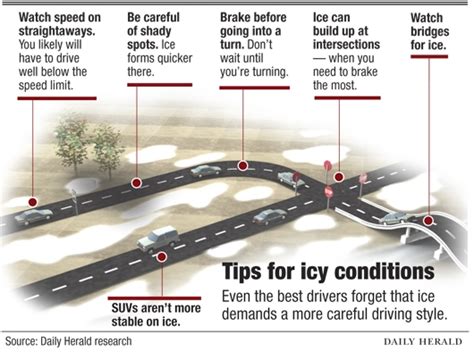
Does 4 wheel drive help on black ice? The answer to this question is yes, but it's important to understand the differences between types of 4 wheel drive systems, and how they work.
Four-wheel drive (4WD) systems are designed to provide extra traction in certain conditions. In some cases, they can be used to help improve traction on icy roads. 4WD systems work by providing power to all four wheels of the vehicle, which can help provide extra grip on slick surfaces, such as black ice.
There are two types of 4WD systems: full-time and part-time. Full-time 4WD systems are designed to be used all the time, and are generally found on larger, more powerful vehicles. These systems are typically more expensive and are often used in off-road conditions. Part-time 4WD systems, on the other hand, are designed to be used only when needed, such as when driving in icy or slippery conditions.
When driving on black ice, it's important to use caution and to reduce your speed. In addition, it's important to understand how your vehicle's 4WD system works. If you have a full-time 4WD system, it can help provide extra traction on slippery surfaces, such as black ice. If you have a part-time 4WD system, it's important to make sure you are in the correct mode for the conditions.
It's also important to note that 4WD systems are not designed to replace good driving habits, such as avoiding sudden stops and turns, and reducing your speed in icy conditions. The best way to stay safe on icy roads is to know the limits of your vehicle and to practice safe driving habits.
Does 4WD Help On Ice Roads?
Does four wheel drive help on icy roads? The answer is yes. 4WD (four wheel drive) can give your vehicle extra traction and control when driving on icy roads. When your rear or front wheel slips, the rest of your wheels can still provide torque to the ground and help you gain more traction.
To make sure that your four wheel drive is working properly, you should check the tires for proper air pressure and make sure all four wheels are in good condition. You should also check the differential fluid to make sure it is at the correct level and the transfer case is in good working order. If you find any issues with any of these components, it is important to get them repaired before attempting to drive on icy roads.
If you do not have a four wheel drive vehicle, there are other ways to increase your safety when driving on icy roads. A set of good winter tires will provide better traction than all season tires and will help you stay in control on icy roads. When driving on icy roads, you should also reduce your speed and increase the distance between you and other vehicles.
Four wheel drive can help your vehicle gain more traction on icy roads. However, it is important to make sure your tires are in good condition and that your vehicle is properly maintained before attempting to drive on icy roads. You should also reduce your speed and increase the distance between you and other vehicles to ensure your safety.
Is 4WD Necessary On Black Ice?
For many drivers, 4WD is a great tool to help them navigate safely in winter weather conditions. But when it comes to driving on black ice, does 4 wheel drive help?
The answer is yes, 4WD can improve your traction on wet or slippery roads, and it can help you maintain control of your vehicle more easily. 4WD is particularly useful for cornering and sudden changes in direction, where the extra traction can make a big difference.
In general, 4WD is not necessary on black ice. Unlike snow, which provides an extra layer of traction, black ice is an incredibly slippery surface. This means that most regular tires will spin out on black ice, regardless of the type of vehicle you are driving. However, 4WD does provide some extra grip and stability on dry and wet roads, and can help you maintain control of your car in slippery conditions.
When it comes to 4WD, it is important to remember that it is not a substitute for winter tires. Winter tires have a special tread pattern that provides extra grip on snow and ice, and are designed specifically for driving in cold weather conditions. As such, they should always be used in conjunction with 4WD to ensure optimum safety and control.
In terms of cost, 4WD can be an expensive addition to your vehicle, depending on the make and model. The most basic 4WD systems are usually found on higher-end cars and SUVs, and can range from a few thousand dollars to much more. Additionally, 4WD systems require regular maintenance to keep them running efficiently, which can add to the cost.
Overall, 4WD can be beneficial for driving on wet or slippery roads, but it is not a substitute for winter tires. If you live in an area that experiences cold weather conditions, it is important to have winter tires on your vehicle. Additionally, 4WD can be costly to install and maintain, so it is important to take that into consideration before investing in it.
Does 4 wheel drive help on black ice? +
Can 4 wheel drive prevent accidents on black ice? +
What is the purpose of 4 wheel drive on black ice? +
How does 4 wheel drive work on black ice? +
Should you use 4 wheel drive on black ice? +
Can 4 wheel drive cause damage on black ice? +
Do all vehicles have 4 wheel drive? +
How much more traction does 4 wheel drive provide on black ice? +
Does 4 wheel drive improve braking on black ice? +
Can 4 wheel drive reduce the risk of skidding on black ice? +
Researching this vehicle or comparing used inventory?
Always cross-reference factory service bulletins, verify warranty coverage, and compare dealer financing rates or insurance quotes before purchasing.
Reader Feedback
Was this technical guide helpful?
Your verification vote informs our ongoing automotive research schedule.