
Do Turbocharged Engines Last As Long?
Automotive Research, ASE Master Technicians & Fact-Checking
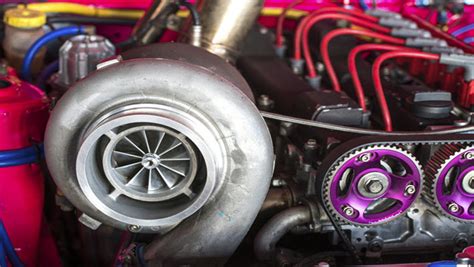
When you consider buying a car, one of the most important things you look at is its engine. There are different types of engines, from standard ones to turbocharged engines.
But one of the questions many people often ask is whether turbocharged engines last as long as regular ones. It's a good question and one that needs to be explored in more detail.
The short answer is that turbocharged engines can last just as long as regular engines, but only if they are well-maintained. The key is regular care and maintenance of the engine, including regular oil changes, checks of the air filter, spark plugs, and other components.
The reason why turbocharged engines need to be taken care of more regularly is because of the increased stress placed on them. Turbocharged engines are designed to produce more power, but this comes at a cost. As a result, the engine needs to be checked and maintained more regularly to ensure that it lasts as long as it should.
In general, turbocharged engines should be taken to a mechanic at least once a year to check for any potential problems. If any issues are found, they should be addressed immediately so that they don't cause more damage down the line.
It's also important to note that not all turbocharged engines are the same. Some are better built than others, and this can affect how long the engine lasts. It's important to do your research and find out what kind of engine you are getting before you make a purchase.
Finally, another factor that can influence the longevity of a turbocharged engine is how it is used. If it is driven aggressively, it will not last as long as if it is driven more gently. This is because the increased stress put on the engine can cause it to wear out more quickly.
Turbocharged engines can last just as long as regular engines if they are taken care of properly. It's important to do regular maintenance and to use the engine as it was intended, as this will ensure that it will last as long as possible.
Why Do Turbos Experience Shorter Lifespans?
Turbocharged engines are becoming increasingly popular in modern engines, but it's important to understand why they experience shorter lifespans than regular engines.
The main reason why turbocharged engines experience shorter lifespans is due to the stresses they are placed under. Turbochargers work by forcing more air into the engine's cylinders, creating more power. However, this increases the pressure in the engine and causes more wear and tear on the components. Furthermore, the turbocharger itself is exposed to intense temperatures and pressures, which can wear out the internal components and reduce its lifespan.
Additionally, turbocharged engines require more maintenance than regular engines. The turbocharger's internal components need to be checked and replaced more frequently, and the oil system needs to be monitored and changed more often. This increased maintenance can create more wear and tear on the engine and reduce its lifespan.
Finally, turbocharged engines typically require higher-grade fuel. This can add to the engine's overall cost and can cause engine damage if the wrong fuel is used. Engine damage can reduce the lifespan of the engine.
Overall, turbocharged engines experience shorter lifespans than regular engines due to the additional stress they are placed under, the need for more maintenance, and the requirement for higher-grade fuel.
How To Maximize The Lifespan Of A Turbocharged Engine
Do you own a turbocharged engine? If so, you know that it's a powerful engine that will help you get good performance from your vehicle. But one thing you may be wondering is how long will this engine last? Will a turbocharged engine last as long as a regular engine?
The answer is yes, turbocharged engines can last just as long as a regular engine. The key is to maintain and care for the engine properly. Here are some tips to help maximize the lifespan of your turbocharged engine.
1. Change the Oil Regularly: Changing the oil in your turbocharged engine is essential to keep it running smoothly. It's important to check the oil levels regularly and change it as needed. The oil should be changed every 3,000 to 5,000 miles, depending on the type of oil you use.
2. Use the Right Fuel: Using the right type of fuel is essential for a turbocharged engine to perform optimally. Make sure to use premium gasoline for your engine to get the best performance. It's also important to use fuel that is designed specifically for turbocharged engines.
3. Keep It Cool: Turbocharged engines can generate a lot of heat when in use. It's important to keep the engine cool by using a cooling system and an oil cooler. This will help keep the engine from overheating and prevent damage that can occur from excessive heat.
4. Regular Maintenance: Having regular maintenance done on your turbocharged engine is essential for keeping it running in top condition. It's important to get the oil changed regularly, as well as other fluid levels checked and replaced as needed. It's also important to have the spark plugs changed regularly and to check for any leaks or damage.
5. Regular Checks: Having regular checks done on your turbocharged engine is also important for keeping it running in top condition. It's important to have the turbocharger checked regularly and to check for any leaks or damage. It's also important to check the boost pressure and to make sure the engine is running at the correct temperature.
Following these tips will help maximize the lifespan of your turbocharged engine and keep it running in top condition. It's important to maintain the engine properly to get the most out of it. Taking the time to care for your engine can save you money in the long run and extend the life of your engine.
Do turbocharged engines last as long? +
Is there any difference in terms of durability between turbocharged and non-turbocharged engines? +
Can a turbocharged engine last longer than a non-turbocharged engine? +
Are there any special considerations for turbocharged engines that would make them last longer? +
Is it necessary to regularly change the oil on a turbocharged engine? +
Do turbocharged engines require more maintenance than non-turbocharged engines? +
Should turbocharged engines receive additional maintenance over what is recommended for non-turbocharged engines? +
What should be done if a turbocharged engine begins to malfunction? +
Is it possible to extend the life of a turbocharged engine by making modifications? +
Can turbocharged engines last longer than 100,000 miles? +
Researching this vehicle or comparing used inventory?
Always cross-reference factory service bulletins, verify warranty coverage, and compare dealer financing rates or insurance quotes before purchasing.
Reader Feedback
Was this technical guide helpful?
Your verification vote informs our ongoing automotive research schedule.