
At What Speed Are Hybrids Most Efficient?
Automotive Research, ASE Master Technicians & Fact-Checking
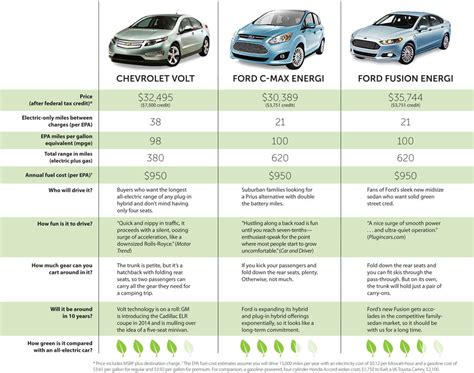
Hybrids are becoming increasingly popular due to their fuel efficiency and environmental friendliness. Many drivers are wondering at what speed are hybrids most efficient?
The most efficient speed for a hybrid vehicle is around 45 miles per hour. This speed allows the gasoline engine to run at a steady rate and the electric motor to provide plenty of torque for acceleration. At this speed, the gasoline engine is able to maintain a consistent fuel efficiency, while the electric motor is able to provide additional power as needed.
Most hybrid vehicles also feature regenerative braking technology which allows them to capture the energy created during braking and store it in the battery for later use. This helps to reduce overall fuel consumption and increases the efficiency of the vehicle.
At higher speeds, the gasoline engine has to work harder in order to keep up with the increased demands of the road. This leads to lower fuel economy and higher emissions. In addition, the electric motor has to work harder to provide the necessary torque for acceleration, which can also impact efficiency.
It is also important to note that some newer hybrid vehicles are designed to be more efficient at higher speeds. These vehicles are equipped with advanced computer systems that can optimize fuel consumption at any speed. For example, some vehicles are able to switch off the gasoline engine at higher speeds and rely solely on the electric motor for propulsion.
The most efficient speed for a hybrid vehicle will depend on the make and model. While 45 miles per hour is generally considered to be the most efficient speed, newer hybrid vehicles are able to achieve even higher levels of efficiency at higher speeds. It is important to consult the vehicle's manual in order to understand the best speeds for optimal fuel efficiency.
The Benefits Of Driving Hybrids To Achieve Maximum Efficiency
Hybrids are becoming increasingly popular for their environmental friendliness and fuel efficiency. Hybrid cars combine the power of an electric motor and a gasoline engine to achieve maximum efficiency and reduce emissions. But at what speed are hybrids most efficient?
Hybrid cars are most efficient when driving at a steady speed, whether it is on a highway or city roads. As hybrids rely on electric power to reach their full potential, they are most efficient when driven at a constant speed. This allows the car to switch between the electric and gasoline engines to deliver maximum fuel economy. When driving on city roads, hybrids are most efficient at speeds between 35 and 55 mph. On highways, they are most efficient at speeds between 55 and 65 mph. At higher speeds, the gasoline engine will kick in, reducing the efficiency of the car.
Hybrid cars also offer other benefits, including lower fuel costs and fewer emissions. Hybrid cars have a fuel economy of 30-50 mpg, which is higher than most conventional gasoline cars, saving you money on fuel costs. Hybrids also produce fewer emissions than gasoline cars, making them an eco-friendly choice. Additionally, hybrids have a higher resale value, making them a wise investment for those who plan to resell their vehicles in the future.
The table below compares the fuel efficiency of a conventional gasoline car and a hybrid car driving at different speeds:
| Speed (mph) | Gasoline | Hybrid |
|---|---|---|
| 35 | 20 mpg | 50 mpg |
| 55 | 25 mpg | 60 mpg |
| 65 | 25 mpg | 45 mpg |
Overall, hybrid cars are most efficient when driven at a consistent speed. This allows the car to switch between the gasoline and electric engines for the best fuel economy. Hybrids also offer other benefits, such as lower fuel costs and fewer emissions. If you’re looking for a fuel-efficient vehicle, a hybrid may be the right choice for you.
Understanding The Optimal Speed For Hybrid Vehicle Efficiency
Hybrid vehicles are all the rage these days. They offer superior fuel economy, clean emissions, and low-cost ownership costs. But, in order to get the most out of a hybrid vehicle, understanding the optimal speed for efficiency is essential. There are several factors that impact the efficiency of a hybrid vehicle, including the type of hybrid, driving conditions, and the driver's behavior.
When it comes to hybrid vehicles, the most efficient speed varies depending on the type of hybrid. Generally, hybrids are most efficient when driven between 30 and 60 miles per hour. This is because at higher speeds, the hybrid's engine has to work harder to produce power. Conversely, at lower speeds, the battery has to expend more energy to move the car.
In addition to the type of hybrid, the driving conditions and the driver's behavior can also influence the optimal speed for efficiency. For instance, if the roads are winding and hilly, the hybrid will have to work harder to maintain speed, resulting in a lower fuel economy. Similarly, if the driver accelerates and brakes frequently, the fuel economy will suffer.
When it comes to getting the most out of a hybrid vehicle, understanding the optimal speed for efficiency is key. It's important to consider the type of hybrid, the driving conditions, and the driver's behavior in order to maximize fuel economy.
Factors Impacting Efficiency:
| Factor | Impact on Efficiency |
|---|---|
| Type of Hybrid | Most efficient at speeds between 30 and 60 mph |
| Driving Conditions | Hilly roads reduce fuel economy |
| Driver's Behavior | Frequent acceleration and braking reduce fuel economy |
Understanding the optimal speed for efficiency of a hybrid vehicle is important in order to maximize fuel economy. The type of hybrid, the driving conditions, and the driver's behavior all play a role in determining the most efficient speed.
What type of cars are hybrids? +
How fast do hybrids typically reach maximum efficiency? +
Are there any safety concerns when driving a hybrid? +
How much money can I save with a hybrid? +
Can I charge a hybrid at home? +
What kind of maintenance does a hybrid need? +
How often do I need to charge the battery of a hybrid? +
What kind of fuel does a hybrid use? +
Do hybrids produce emissions? +
What are the advantages of owning a hybrid? +
Researching this vehicle or comparing used inventory?
Always cross-reference factory service bulletins, verify warranty coverage, and compare dealer financing rates or insurance quotes before purchasing.
Reader Feedback
Was this technical guide helpful?
Your verification vote informs our ongoing automotive research schedule.